
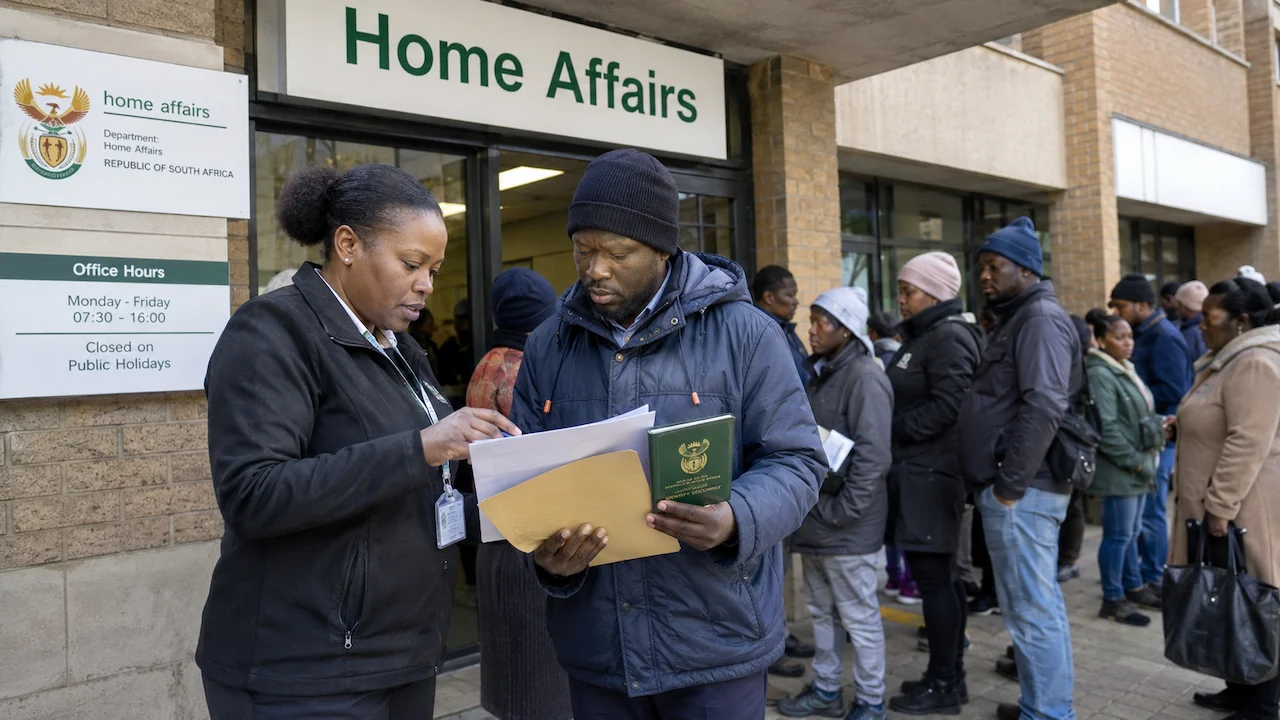
South Africans whose identity documents were blocked before November 2022 have been given a final window to be heard, after the Department of Home Affairs launched a nationwide campaign to clear long-standing cases. The department says the process is meant to help affected people restore access to everyday services, while also protecting the accuracy of the National Population Register, which is used across government and by many employers and financial institutions.
Home Affairs has set Thursday, 10 July 2026, as the cut-off date for people with blocked identity numbers to submit written and oral representations at a Home Affairs front office. If a person does not come forward before the deadline, the department warns that their identity number could be canceled once the administrative process is finalized.
Table of Contents
Who is affected by the July 2026 deadline?
The call applies to people whose identity numbers were blocked before November 2022 and remain blocked today. Home Affairs previously placed markers against certain identity numbers under Section 19 of the Identification Act (Act 68 of 1997), including:
- Duplicate records
- Cases where a person’s status requires verification
- Other categories flagged for investigation on the population register
Home Affairs has indicated that 2,202,368 identity numbers have already been unblocked to date, but many cases remain unresolved.
Where blocked ID holders must go
Home Affairs says affected individuals must report in person to a Home Affairs office to submit their representations.
- Refugee Reception Centers are excluded
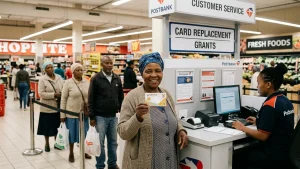
- Bank branches are excluded
In practice, this means the matter must be handled at a standard Home Affairs front office, not through a bank partnership site.
What “representations” mean under PAJA
Home Affairs is using Section 3 of the Promotion of Administrative Justice Act (PAJA) of 2000 to allow affected individuals a fair chance to explain why their identity numbers should be unblocked.
- A written statement from the affected person
- An oral explanation given at the office (as part of the submission process)
- Supporting documents, where available, to help confirm identity and status
Supporting documents that can help
Home Affairs has asked people to bring any documents that may help confirm identity, citizenship, or lawful status. While not every person will have all of these, the department lists the following as examples.
| Document type | Examples Home Affairs may accept |
|---|---|
| Birth and early-life records | Birth certificate, clinic card, confirmation of birth, hospital register extract |
| Family records | Parents’ ID documents or reference books, death certificates (where relevant) |
| School records | Primary school extract, copy of a school register |
| Community confirmation | House permit, letter from a recognised traditional authority |
| Sworn statements | Affidavit from parents or original informant, plus the informant’s ID copy |
| Other proof | Any document that supports identity and legal status |

You can find the department’s official guidance on the process via the Department of Home Affairs blocked IDs page using this link: Department of Home Affairs blocked IDs information.
When Home Affairs may cancel an identity number
Home Affairs has warned that investigations can still lead to cancellation where an identity number is found to have been issued or used improperly. The department says cancellations may follow if it is found that identity documents or records:
- Were issued to individuals who do not qualify for inclusion in the National Population Register
- Contain incorrect personal particulars
- Were obtained through fraud, false statements, or misrepresentation
- Were forged, unlawfully altered, stolen, or manipulated
- Remain unresolved because the person did not appear in person with supporting documents during the campaign period
Why blocked IDs matter for money, work, and social support
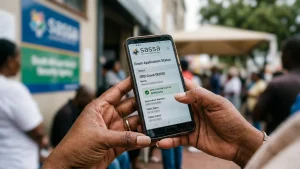
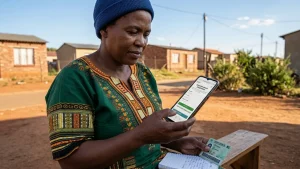
A blocked identity number can affect far more than Home Affairs services. In many cases, it can interrupt or delay access to employment checks, SIM card registration, banking processes, and government services that rely on population register verification. For people receiving social support, the issue can also become urgent because identity details are central to grant administration and payment systems.
For the official government statement announcing the campaign and deadline, see: Home Affairs launches nationwide campaign to resolve blocked ID numbers.
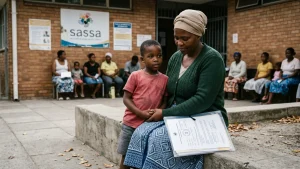
I applied for my child's 🆔 in February but she never got it