
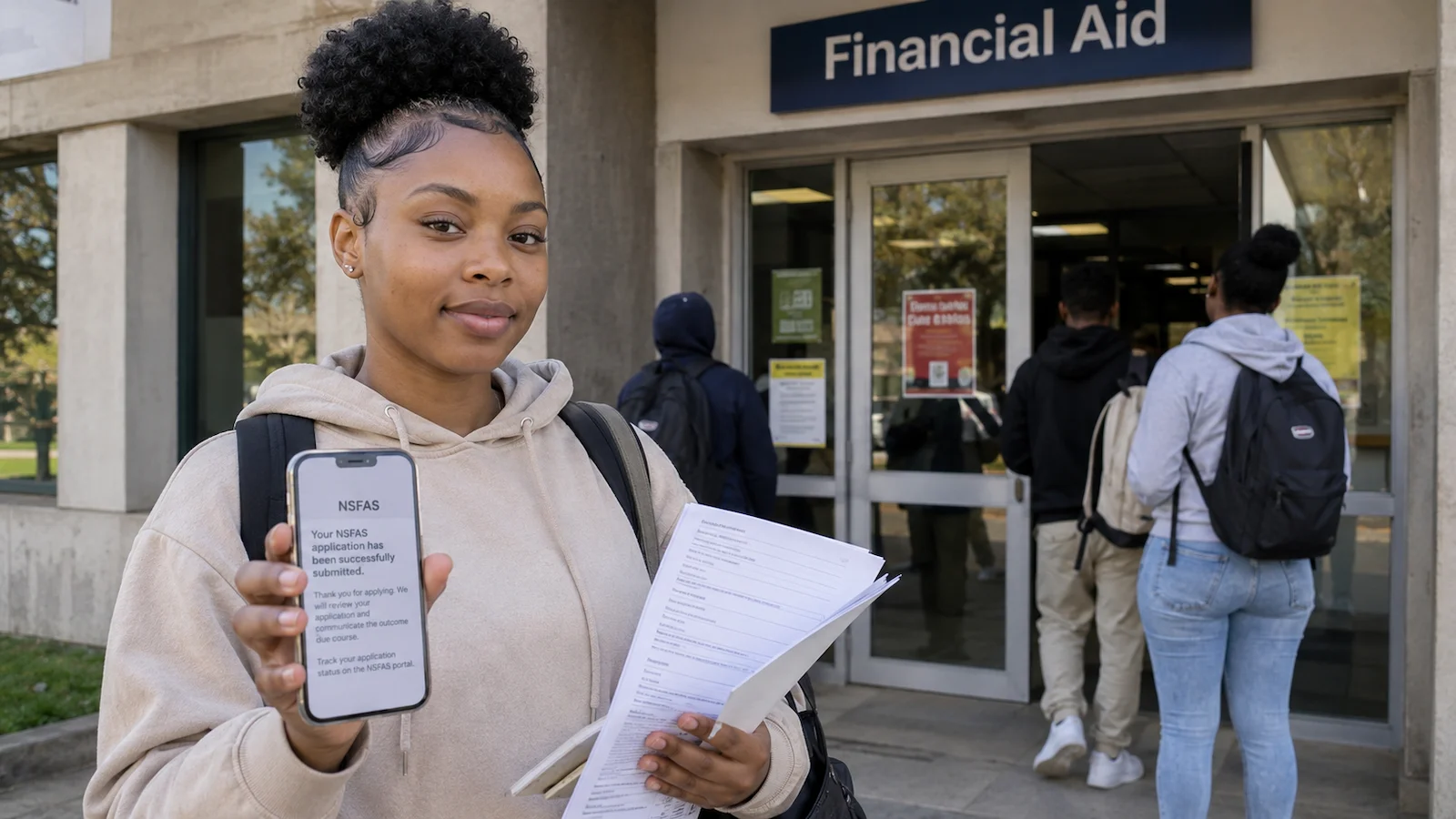
Former students who were funded by the National Student Financial Aid Scheme (NSFAS) could soon receive refunds after the scheme confirmed it has traced a group of former beneficiaries who paid more than they owed on their student loan accounts. NSFAS says the overpayments were identified during checks of historical accounts, where interest calculations were corrected, and some loan balances showed that too much had been repaid.
The refunds are linked mainly to NSFAS funding arrangements from before 2010. NSFAS says it wants to close out these older cases by contacting eligible former debtors through its official channels and guiding them through a secure refund process. It has also warned people to be careful when sharing banking details, as scammers often target public refund campaigns.
Table of Contents
Who qualifies for the NSFAS refunds?

NSFAS says the current group due refunds is largely made up of former beneficiaries funded before 2010, whose accounts now reflect an overpayment after historical interest calculation corrections. The scheme adds that some people in this group were not reached during earlier efforts because NSFAS did not have updated contact details at the time.
Why NSFAS is restarting the refund drive
📢Media Statement Release | 02 June 2026 – NSFAS confirms refund process for former beneficiaries who overpaid study loans. #NSFAS2026 pic.twitter.com/y9QncyOnSu
— NSFAS (@myNSFAS) June 2, 2026

NSFAS previously ran a refund campaign in November 2015 and says most cases from that original group were either paid out or resolved. But the scheme says it still could not trace some former debtors using the contact details available then.
The NSFAS Administrator, Prof Hlengani Mathebula, says NSFAS has now obtained updated tracing information through approved data sources and is making another attempt to locate people who are still due money.
What happens if the refund is not claimed
NSFAS says any refund amounts that remain unclaimed will be transferred to the National Credit Regulator. Readers can find more about the regulator through the official National Credit Regulator (NCR) website.

NSFAS says eligible former beneficiaries who are due money may choose to receive the refund. It also notes that people who do not wish to receive the cash can donate the refunded amount back to NSFAS to support future students.
How the NSFAS refund process will work
NSFAS says the process is designed to be simple, safe, and efficient, with eligible former debtors contacted through official NSFAS communication channels and then guided through the steps.
| Step | What NSFAS does | What the former debtor does |
|---|---|---|
| 1 | Identifies overpaid loan accounts linked to historical interest corrections | No action until contacted |
| 2 | Uses updated tracing details such as cell phone numbers and email addresses | Confirms identity when requested |
| 3 | Informs the person that a refund may be due and directs them to the official platform | Follow the official instructions provided |
| 4 | Request an application and verified banking details | Submits the required form and verified banking details |
| 5 | Validates the details and processes payment where applicable | Responds to any follow-up verification |
| 6 | Confirms banking details requirements | Ensures the account is in their own name and linked to their SA ID number |
| 7 | Allows an option to donate the refund back | Chooses payout or donation option |
NSFAS has stressed that banking details must be in the debtor’s own name and linked to the debtor’s South African ID number.
NSFAS warning on scams and personal information
Prof Mathebula has urged people to remain alert and to share personal and banking information only through official NSFAS communication channels and approved NSFAS platforms. NSFAS says beneficiaries and former beneficiaries should avoid dealing with unauthorized individuals or unofficial platforms when submitting refund requests.
For verified information and official updates, NSFAS directs the public to its own channels, including the NSFAS website.

It's my first day to I applied R370 but that app say my application is already activa..
So I want to cancel that application I want to start a new